The Reparability of Today’s Vehicles: Why Modern Cars Require Modern Expertise
The auto body repair world has changed dramatically over the last 20 years. While cars have become safer, more efficient, and more advanced, these same improvements have also made them much more complex to repair. At Bumper to Bumper Body & Paint, we see firsthand how the materials, parts, and technologies in modern vehicles require a whole new level of training, tools, and precision. That’s why our team holds I-CAR Gold Class recognition, our technicians are I-Car Platinum Certified and we are proud to be OEM certified by leading manufacturers, including Jeep, Chrysler, Dodge, Ram, Fiat, Nissan, and Kia.
One-Time-Use Parts
Many components in today’s vehicles are considered “one-time-use parts.” This means that once they’ve been installed and subjected to stress—such as bolts, clips, adhesives, or safety-related fasteners—they cannot simply be reused. Instead, they must be replaced entirely to ensure the structural integrity and safety of the repair. Skipping this step could compromise crash performance or void manufacturer warranties. Our certifications ensure we have access to the proper repair procedures and OEM replacement parts.
The Rising Part Count
Modern vehicles are made up of significantly more parts than older models. A sedan from the 1980s might have had 10,000 parts; today’s cars can exceed 30,000 individual components. With every new generation, parts become smaller, lighter, and more specialized—meaning a single collision can affect dozens of interconnected pieces. This adds complexity, cost, and time to the repair process, but it’s necessary to repair the car correctly. Our I-CAR training and OEM programs prepare our team to understand these intricacies and follow factory repair standards.
Advanced Materials: Plastics & Metals
Older vehicles were primarily made of mild steel, which could be reshaped or welded fairly easily. Today, cars use a mix of:
· Advanced High-Strength Steels (AHSS) – stronger but far less forgiving when bent or heated. They often require specialized equipment and precise repair procedures.
· Aluminum – lighter but more difficult to weld and repair; repairs may require separate tools and dedicated workspaces.
· Plastics & Composites – used throughout bumpers, panels, and interior structures. Some can be repaired, but many require full replacement if cracked or stressed.
Because our technicians are I-CAR Platinum certified, they receive ongoing training to stay up to date with these evolving materials. Combined with our OEM certifications, this ensures repairs are done safely and to manufacturer specifications.
Advanced Driver Assistance Systems (ADAS)
Perhaps the biggest game-changer in repairability is the rise of ADAS technology—features like lane-keep assist, automatic emergency braking, and blind spot monitoring. These systems rely on cameras, sensors, and radar units carefully mounted throughout the vehicle.
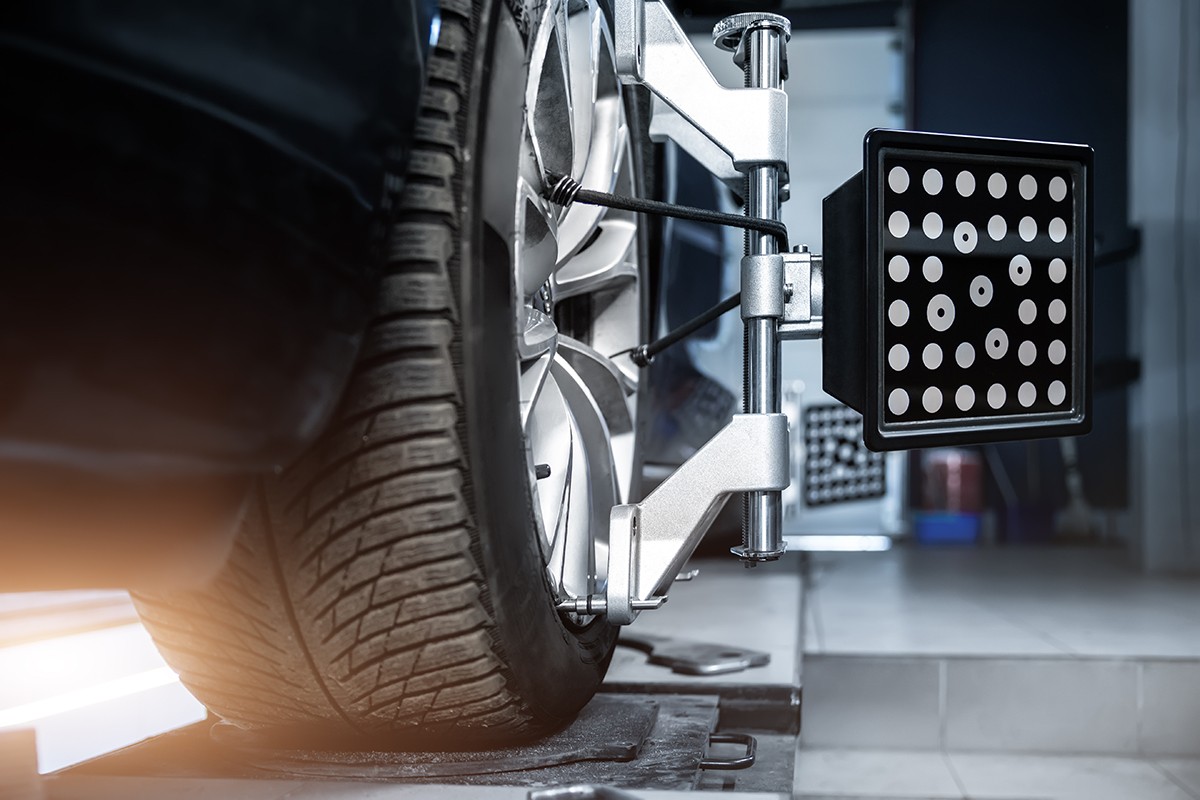
Even minor repairs, such as replacing a windshield, bumper cover, or side mirror, can affect ADAS systems. That’s why recalibration is no longer optional—it’s often required by the manufacturer to make sure these systems work as intended. Manufacturer repair procedures must be followed step-by-step, and often specialized scan tools or calibration targets are necessary. As a certified repair facility, we have direct access to OEM repair information and procedures for these systems, ensuring accuracy and safety.
What This Means for Vehicle Owners
While modern vehicles offer better safety and performance, repairing them is not as simple as it once was. Cutting corners, reusing non-reusable parts, or skipping ADAS calibration could put drivers and passengers at risk.
At Bumper to Bumper Body & Paint, our I-CAR Gold Class designation, I-CAR Platinum technicians, and OEM certifications set us apart. We are trained and equipped to handle the advanced materials and technologies found in today’s vehicles. From proper OEM parts usage to state-of-the-art calibration procedures, we ensure your vehicle is repaired correctly, safely, and to factory standards.